
CUALIMETAL ranges and products
Characteristics of conventional buildings
WIDTH
Up to 60 metres wide.
HEIGHT
No maximum building height.
CENTRE-TO-CENTRE
No maximum centre-to-centre distance.
ROOFS
Adaptable structure to single or double pitched roofs.
Advantages of conventional industrial buildings
COST-EFFECTIVENESS
- • Since they are made of steel structures and lightweight cold-formed profiles, 100% bolted, they are more cost-effective than concrete buildings.
12%
SAVINGS compared to buildings with a conventional structure of similar features and dimensions
SPEED
- These are modular structures designed and developed by our Engineering department, manufactured in our workshop using our own technology, and assembled by our installation team.
- Main structure in hot-rolled steel and secondary structure composed of lightweight cold-formed profiles, reducing the assembly time to less than 4 weeks.
- The structures can also be assembled by the customer’s own personnel using simple assembly manuals.
QUALITY
- Complies with all international quality requirements and certifications (CE marking, ISO 9001, UKCA, HCO registration…).
- Custom buildings with a standard galvanized metal structure that is 100% bolted.
- Structure treated for fire resistance, with metal roofing and façades.
- System compatible with the installation of an overhead crane.



VERSATILITY
- 100% demountable structures.
- Wide range of finishes, accessories and extras.
- Demountable and relocatable buildings at a reduced cost.
- Structures that can be expanded easily and cost-effectively.
- Structures that can be assembled on any type of terrain, even in areas where other constructions are not permitted or feasible.

Range of colours for cladding of CONVENTIONAL prefabricated metal buildings
EXPORT
- Thanks to their metal structure, the custom-made prefabricated buildings can be transported simply and cost-effectively, significantly reducing logistics costs.

Pulp & Paper Mill 30.000m2 Uruguay

Complejo naves industriales 16.000 m2. Cluj-Napoca (Rumanía)

Industrial building.16000m2 Cluj-Napoca (Romania)

Made-to-measure industrial buildings. Waste treatment plant 10500m2 Malta

Industrial building.10000m2 Borja (Zaragoza)
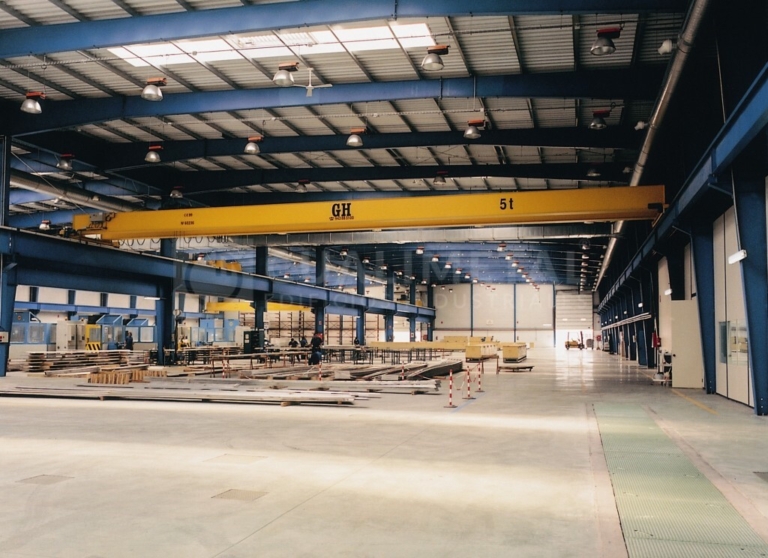
Industrial building.10000m2 Zaragoza
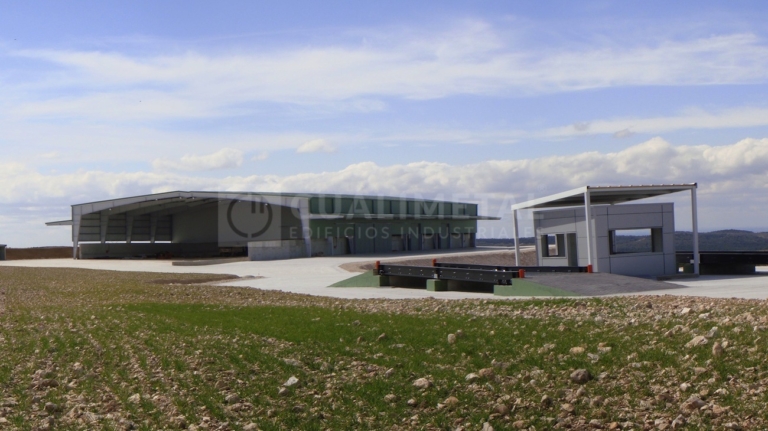
Industrial building.6500m2. Albacete
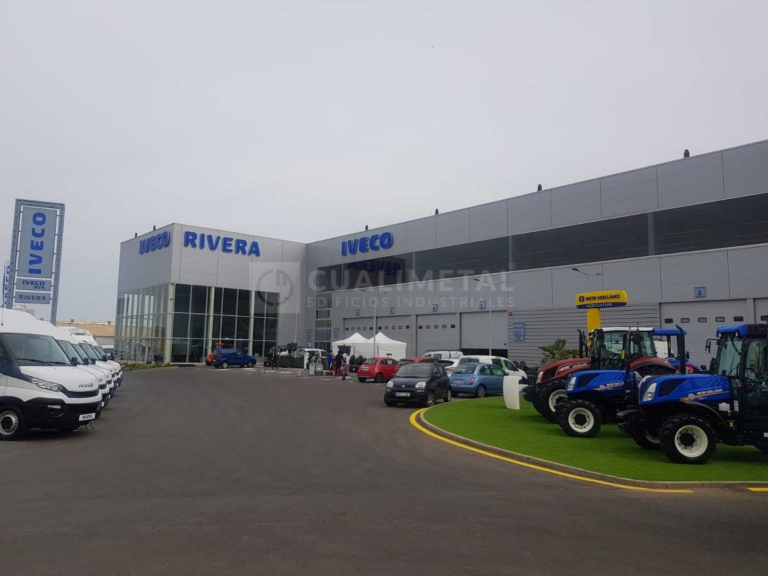
Prefabricated steel industrial building. 6100m2 Telde (Las Palmas)

Industrial building.6000m2 Zaragoza

Metal structure industrial park. 5,200 m². Nigua (Dominican Republic)

Sport centre.5000m2 Menorca

